
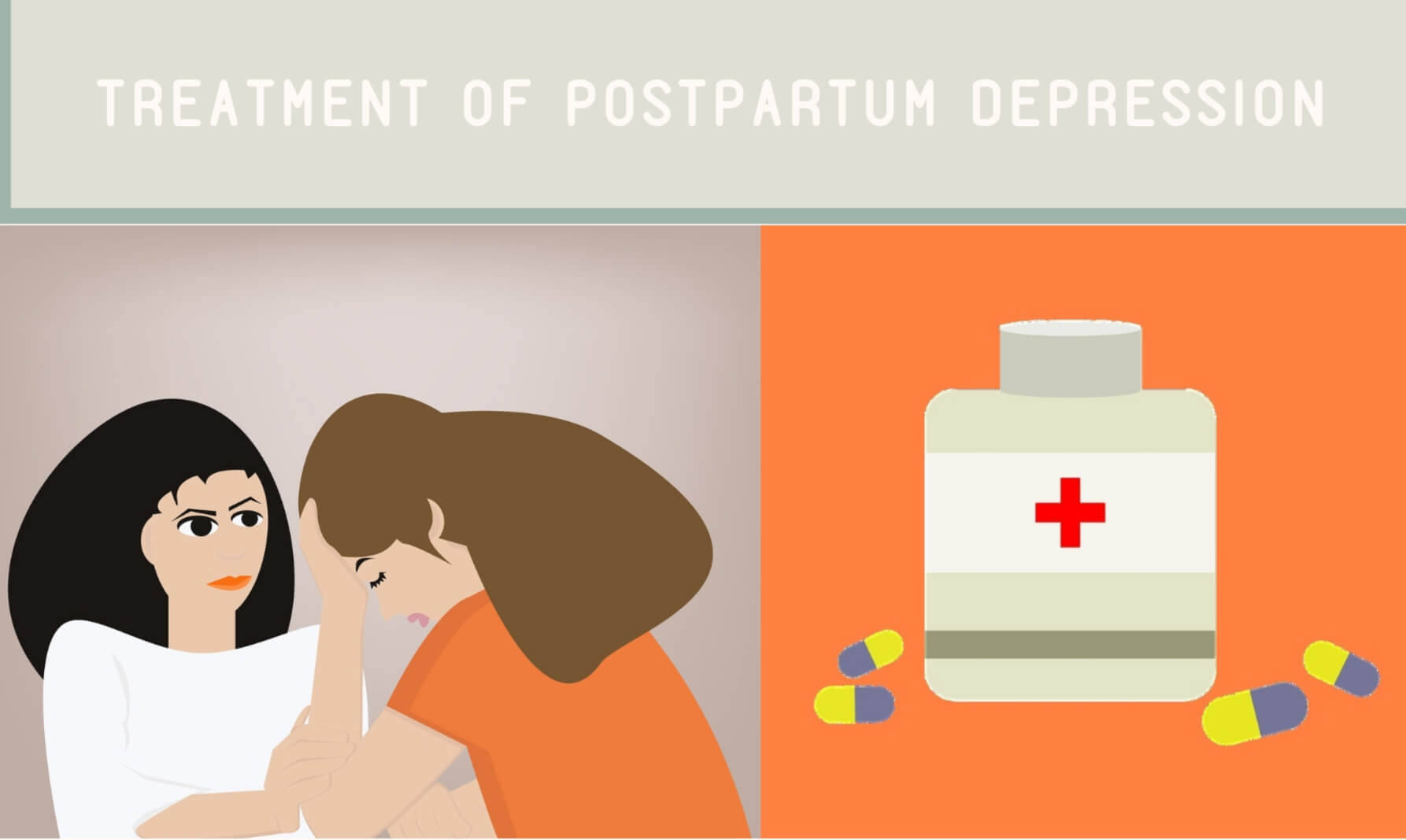
If a mother suffers from any symptom of post partum depression she needs treatment. Treatment of Postpartum depression is not only medicine, but she needs a proper counseling and a support group.
Type of treatment depends on some factors, such as-
- What symptoms are present and how severe the depression is
- How the symptoms impact on your daily life specially on looking after of yourself and the baby
- Whether you has history of any mental health illness
- Whether you are breast feeding your baby or not, because some drugs pass to the baby through breast milk
According to symptoms the Doctor will choose a way of treatment. Most of the patients require only support and advice, some requires medicine and others need both.
How Soon After Giving Birth Can You Exercise?
Your ability to start exercising depends on the type of delivery you had.
For a Normal Delivery
- Get complete rest for one week before starting any physical activity.
- Begin with walking, which is one of the best postpartum exercises.
- Avoid lifting heavy objects.
- Avoid straining your body.
- Avoid intercourse for about six weeks.
- Gradually introduce low-impact exercises like yoga and light stretching.
For a Cesarean Section
- Gradually resume exercise after waiting for at least six weeks to allow for healing.
- Exercising too soon may hinder the healing process and cause abdominal muscle separation at the incision site.
- Start with deep breathing exercises to activate core muscles before engaging in more physical activities.
- Once healed, begin with light workouts before progressing to moderate-intensity exercises such as bodyweight strength training and Pilates.
Types of Postpartum Exercises
Exercise alone will not reduce belly fat; a healthy lifestyle and proper diet are equally important. In addition to exercising, you can:
- Breastfeed – Breastfeeding helps shrink the uterus and reduces belly size naturally.
- Walk Regularly – Start with 15 minutes of walking daily, five days a week. You can walk in a park or use a pushchair with your baby.
Best Postpartum Exercises
Once cleared by your doctor, you can incorporate the following workouts:
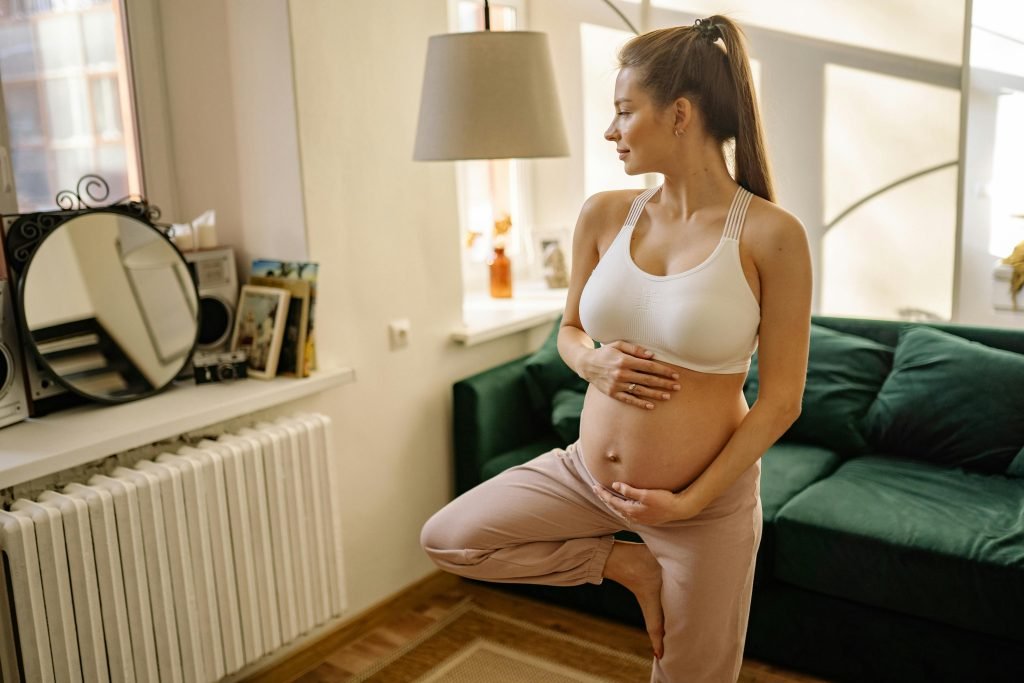
- Push-ups – Strengthens upper body muscles.
- Crunches – Helps tone abdominal muscles.
- Planks – Builds core stability and strength.
- Squats – Strengthens lower body muscles and improves posture.
- Leg raises – Targets lower abdominal muscles.
- Pelvic Tilts – Helps strengthen the lower back and improve core stability.
- Bridge Exercises – Engages glutes and helps with lower back pain relief.
Additional Tips for Postpartum Weight Loss

Besides exercise, new mothers can adopt additional strategies for healthy postpartum weight loss:
- Stay Hydrated: Drink at least 8-10 glasses of water daily to boost metabolism and maintain milk supply.
- Eat Nutrient-Dense Foods: Include fiber-rich foods, lean proteins, and healthy fats in your diet to support recovery and weight loss.
- Avoid Processed Foods: Minimize consumption of sugary snacks, refined carbs, and junk food.
- Practice Mindful Eating: Eat slowly, avoid distractions, and listen to your body’s hunger cues.
- Engage in Household Activities: Simple chores like cleaning, carrying groceries, and playing with your baby can help burn calories.
- Prioritize Sleep: Sleep deprivation can contribute to weight gain. Try to nap when the baby sleeps to maintain energy levels.
Treatment of Postpartum Depression
Postpartum depression (PPD) is a serious mood disorder that affects many new mothers. Seeking support and treatment is essential for recovery.

Support by Family and Friends
- The understanding and support of family and friends are crucial for a mother’s well-being.
- Talk to close friends about how you feel.
- Loved ones should share their experiences to provide emotional support.
- A family member should help care for the baby to allow the mother adequate rest.
- Consider joining a support group for new mothers experiencing postpartum depression.
Psychological Therapy
- Counseling, also known as therapy, with a mental health professional can help mothers process emotions and cope with daily challenges.
- Cognitive Behavioral Therapy (CBT) and Interpersonal Therapy (IPT) are commonly recommended treatments.
Medication
- If symptoms are moderate to severe, medication such as antidepressants or estrogen therapy may be necessary.
- Antidepressants take about 2 to 4 weeks to work effectively. Do not stop medication prematurely; complete the full course as prescribed by your doctor.
- Some medications are safe for breastfeeding mothers—always consult a healthcare provider for guidance.
The Role of Diet in Postpartum Recovery
A well-balanced diet plays a vital role in postpartum recovery and weight loss. Nutrient-dense foods can help speed up healing, support breastfeeding, and restore energy levels. New mothers should focus on:
- Lean Proteins: Chicken, fish, eggs, and plant-based proteins aid muscle repair and recovery.
- Healthy Fats: Avocados, nuts, and olive oil promote hormone balance and brain function.
- Fiber-Rich Foods: Whole grains, fruits, and vegetables improve digestion and prevent constipation.
- Hydration: Drinking plenty of water helps with metabolism, milk production, and overall health.
Avoid highly processed foods, excessive sugar, and caffeine, which may cause energy crashes and disrupt sleep patterns.
The Importance of Sleep for New Mothers
Lack of sleep is one of the biggest challenges for new mothers, impacting both physical recovery and mental health. Sleep deprivation can contribute to weight gain, increased stress, and postpartum depression. Here are some tips to improve sleep quality:
- Sleep When the Baby Sleeps: Taking naps throughout the day can help counteract nighttime sleep loss.
- Ask for Help: Have a partner, friend, or family member take care of the baby while you rest.
- Establish a Bedtime Routine: Avoid screens before bedtime, take a warm bath, and practice relaxation techniques.
- Stay Active: Engaging in light exercise can help regulate sleep patterns and improve energy levels.
The Mental Health Benefits of Exercise
Exercise is not just beneficial for weight loss but also for mental well-being. Physical activity helps regulate mood, reduce stress, and combat postpartum depression by releasing endorphins—your body’s natural mood boosters. The mental health benefits of postpartum exercise include:
- Reduced Anxiety and Stress: Walking, yoga, and light stretching promote relaxation and lower stress hormones.
- Increased Energy Levels: Regular movement enhances circulation and boosts overall vitality.
- Improved Self-Esteem: Getting back into a fitness routine can help new mothers feel more confident and empowered.
- Better Sleep Quality: Exercise promotes restful sleep, which is essential for postpartum recovery.
Even a short daily walk or simple stretching exercises can have a profound impact on a new mother’s mental well-being.
How Long Does It Take to Heal Postpartum?
- Postpartum depression is a mood disorder that requires long-term treatment.
- Full recovery may take weeks to a year depending on the severity of symptoms.
- Some women recover naturally, while others need therapy or medication.
- Chronic depression requires patience, ongoing treatment, and professional support.
- Emotional healing varies from person to person; support from loved ones is essential.
Bottom Line
Postpartum recovery is a journey that involves physical healing, emotional balance, and lifestyle adjustments. With a combination of healthy eating, proper exercise, and mental health support, new mothers can regain their strength, confidence, and energy over time.
Before starting any postpartum exercise, consult with your doctor. Avoid extreme dieting or fatty foods. Prioritize proper rest and consider yoga or meditation to reduce stress, which can aid in weight loss and overall well-being.
Usually, the symptoms of postpartum depression go away within three months after childbirth. However, if symptoms persist for more than two weeks, proper treatment is necessary.
According to NCBI reports, more than 15% of mothers experience postpartum depression, and most recover successfully with a combination of psychological support and medication.
NEXT → Signs And Symptoms Of Postpartum Depression
